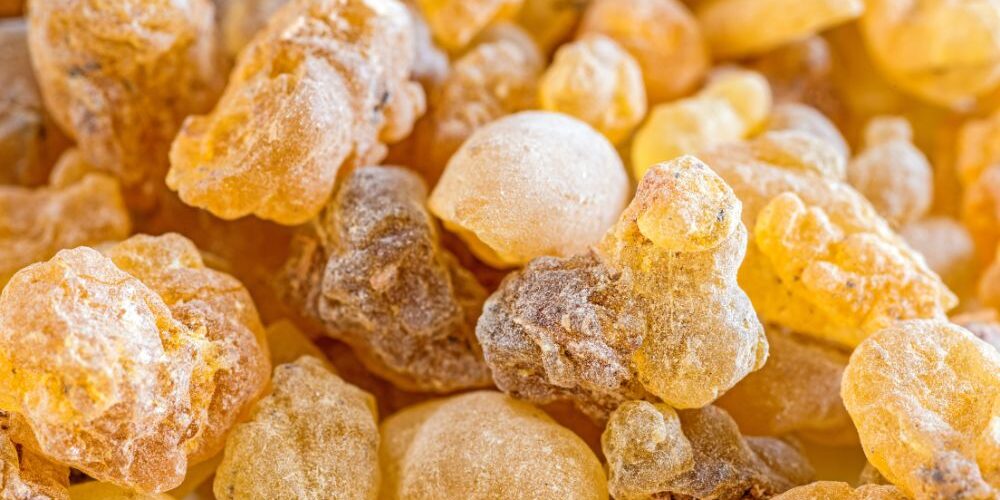
High-performance bio-based resins produced from cashew nut shell liquid (CNSL) — designed for composites, laminates, friction materials, and electrical insulation. Launching soon from Elrisa Chemicals.
Phenolic resins are among the oldest and most durable synthetic polymers — used for over a century in demanding industrial applications. When made from CNSL (cashew nut shell liquid) instead of petrochemical phenol, they become a bio-based, lower-footprint alternative without sacrificing performance.
Elrisa is developing both phenolic resins (novolac and resol) and cardanol-modified epoxy resins, using CNSL extracted directly from Ghanaian cashew shells as the primary feedstock. This makes our resins among the most sustainably sourced options available in West Africa.
This product line is currently in development. Register your interest below and we will notify you when commercial samples and specifications become available.
Each type offers distinct properties suited to different industrial applications. All are produced from bio-based CNSL feedstock.
Acid-catalysed CNSL-formaldehyde condensation produces novolac resins — thermoplastic phenolics that require a curing agent (typically hexamine) to crosslink. High thermal resistance, excellent dimensional stability, and strong adhesion. Widely used in friction materials, abrasive wheels, and foundry binders.
Base-catalysed CNSL-formaldehyde resols are self-curing thermosetting resins. They offer excellent water resistance and electrical insulation properties. Used in laminates, plywood binders, decorative panel coatings, and electrical grade insulation boards.
Cardanol (the primary CNSL derivative) is reacted with epichlorohydrin or used as a reactive diluent/modifier in standard epoxy systems. The result is a bio-modified epoxy with improved flexibility, lower viscosity, and reduced brittleness — while maintaining epoxy's excellent chemical resistance and adhesion.
CNSL-modified phenolics blended with other natural resins or petrochemical phenolics to achieve specific performance targets — such as improved toughness, better cure profiles, or lower VOC content. Custom formulations developed for specific customer applications.
CNSL novolac resins as binders in brake pads, clutch facings, and abrasive grinding wheels — high thermal resistance is essential here.
Resol resins as matrix binders in glass fibre composites, decorative high-pressure laminates (HPL), and structural panels.
CNSL-based resins as electrical grade insulating varnishes and impregnating resins for transformers, motors, and switchgear.
CNSL phenolics as wood adhesives in plywood and particleboard, and as shell sand binders in foundry core-making processes.
Cardanol-epoxy coatings for steel, concrete, and marine substrates — offering bio-based content alongside excellent corrosion and chemical resistance.
Cardanol-modified epoxy adhesives for bonding metal, fibre composites, and concrete in construction and automotive assembly applications.
This product line is launching soon. Leave your details and we will contact you as soon as commercial samples and specifications are ready.
Our team is happy to discuss your resin requirements, share technical information, or explore how CNSL chemistry fits your application.