info@elrisachemical.com Engineering Africa's Chemical Future
Home Our Story What We Do
Contact Get In Touch

Bio-Based Polyols

Producing polyols for polyurethane (PUR), polyisocyanurate (PIR), PU coatings, and adhesives across Ghana and West Africa — available in polyester grades with controlled hydroxyl value and viscosity.

The Building Block of Polyurethane Chemistry

Polyols are hydroxyl-functional compounds that react with isocyanates to form polyurethane (PUR) and polyisocyanurate (PIR) polymers. They are the key raw material determining the flexibility, rigidity, thermal performance, and durability of the final product.

From rigid PIR insulation boards and flexible PU foam to high-performance PU coatings and structural adhesives — the polyol you choose defines what your end product can do.

Elrisa Chemicals supplies polyols derived from bio-based feedstocks including cashew nut shell liquid (CNSL), as well as conventional and blended grades — all available to buyers in Ghana, West Africa, and beyond.
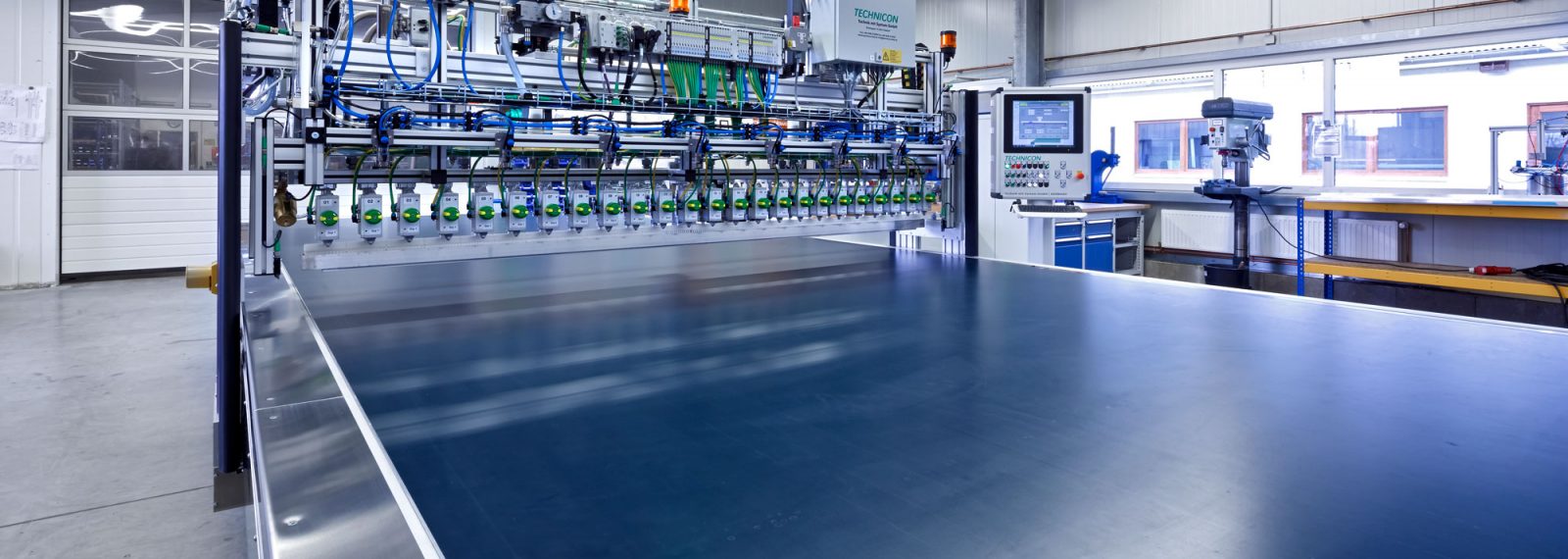
Industrial polyurethane foam production line

What Our Polyols Are Used For

Polyols are the foundational raw material for a wide range of polyurethane and polyisocyanurate products used across construction, manufacturing, and industrial sectors.

Industrial polyurethane foam production line

Polyurethane Foam (PUR)

Polyols are the core raw material for both rigid and flexible polyurethane (PUR) foam. Rigid PUR foam is widely used for cold room insulation, pipe insulation, and sandwich panels. Flexible PUR foam is used in mattresses, furniture, and automotive seating.

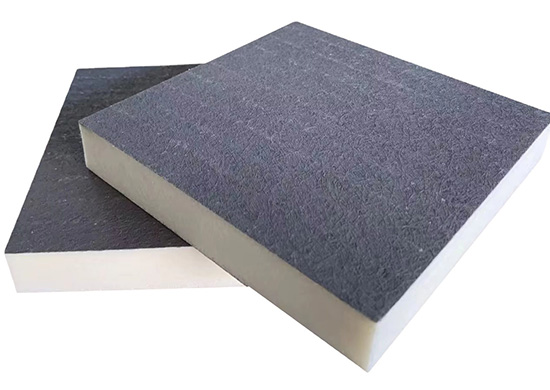
PIR polyisocyanurate insulation panels

Polyisocyanurate Insulation (PIR / Polyiso)

Polyisocyanurate (PIR) and polyiso foam boards require high-functionality polyols. PIR offers superior fire resistance and thermal performance compared to standard PUR, making it the preferred choice for roof insulation panels, wall boards, and commercial building envelopes.

Industrial paint and coating products

PU Coatings

Polyester polyols are the backbone of high-performance polyurethane (PU) coatings used for protective industrial coatings, wood coatings, floor coatings, and marine and automotive finishes. They deliver excellent hardness, chemical resistance, and UV stability.

Applying adhesive coating to wood surface

Adhesives & Sealants

Polyurethane adhesives and sealants based on polyol-isocyanate chemistry offer superior bonding strength, flexibility, and durability across substrates including wood, metal, concrete, and plastics. Used in construction, automotive, footwear, and furniture assembly.

Elastomers & Soles

Polyurethane elastomers — made from polyols — are used in shoe soles, wheels, rollers, and industrial parts requiring abrasion resistance and load-bearing flexibility. A growing market across Ghana's footwear and manufacturing sector.

Waterproofing & Construction

Polyol-based polyurethane systems are widely used in construction waterproofing membranes, spray foam for roofing, concrete crack injection, and structural insulated panels — a fast-growing segment in Ghana and West Africa's construction boom.

Key Polyol Specifications

Understanding these properties helps you select the right polyol grade for your application. Our team can advise on the best match for your formulation.

Property What It Means Typical Range
Hydroxyl Value (OH Value) Measures the concentration of reactive OH groups. Higher OH value = more crosslinking = harder/more rigid foam or coating. 20 – 600 mg KOH/g
Viscosity Determines how easily the polyol can be processed and mixed. Low viscosity is important for spray applications and coatings. 200 – 10,000 mPa·s
Functionality Number of reactive OH groups per molecule. Higher functionality produces more crosslinked, rigid systems (PIR/PUR rigid foam). 2 – 8
Biobased Content Percentage of the polyol derived from renewable, plant-based feedstocks (e.g. CNSL, soy, castor, lignin). Up to 100%
Polyol Type Polyester polyols offer high chemical and solvent resistance (coatings, adhesives). Polyether polyols offer better hydrolytic stability (flexible foam). Polyester / Polyether
Acid Value Indicates residual acidity. Low acid value is critical for storage stability and compatibility with isocyanates. < 2 mg KOH/g
Water Content Excess moisture reacts with isocyanate and generates CO2 — critical to control in rigid foam and coating systems. < 0.1%

The Advantage of Biobased Polyols

Bio-based polyols derived from renewable feedstocks like CNSL, soy, castor oil, and lignin reduce dependency on petrochemical raw materials. They offer comparable or superior performance in many PU applications while reducing the carbon footprint of the final product — increasingly required by global buyers and green building certifications.

Lower carbon footprint Renewable feedstock CNSL-derived Soy-based grades Lignin-based grades Green building ready

Polyester vs Polyether Polyols

Not sure which type you need? Here's a quick guide:

Polyester polyol — PU coatings, adhesives, high-performance elastomers, fibres

Polyether polyol — Flexible foam, seating, mattresses, hydrolysis-resistant systems

Both — Rigid PUR/PIR foam, sealants (application-dependent)

Ask Our Team

Polyurethane vs Polyisocyanurate

Both use polyol as a core raw material — but they serve different performance requirements.

Polyurethane (PUR)

PUR is produced at a roughly 1:1 isocyanate-to-polyol ratio. It offers excellent flexibility, impact resistance, and broad application range — from rigid insulation to flexible foam, coatings, adhesives, sealants, and elastomers.

Flexible foam Rigid foam Spray foam PU coatings Adhesives Sealants Elastomers Shoe soles

Polyisocyanurate (PIR / Polyiso)

PIR uses a higher isocyanate index (typically 2:1 or greater), forming isocyanurate ring structures that deliver superior fire resistance and thermal stability compared to standard PUR. It is the preferred choice for high-performance building insulation boards, roof panels, and cold chain applications.

PIR roof boards Wall insulation panels Cold room insulation Sandwich panels Pipe insulation Fire-rated systems

Frequently Asked Questions

Elrisa Chemicals Ltd supplies polyols in Ghana and across West Africa. We offer bio-based polyols derived from cashew nut shell liquid (CNSL) and other renewable sources, as well as conventional grades. Contact us at info@elrisachemical.com for availability and pricing.
We produce polyols across a range of hydroxyl (OH) values to suit different applications — from low OH value grades for flexible polyurethane foam and PU coatings, to high OH value grades for rigid PIR and PUR foam systems. Contact us with your specification and we will advise on the best grade.
Yes. Elrisa Chemicals produces polyol raw materials for polyurethane (PUR) foam, polyisocyanurate (PIR) board, flexible foam, rigid foam, and spray foam applications across Ghana, Nigeria, Ivory Coast, Senegal, and the wider West Africa and ECOWAS region.
Polyester polyols offer superior chemical resistance, tensile strength, and solvent resistance — ideal for PU coatings, adhesives, and high-performance elastomers. Polyether polyols have better hydrolytic stability and lower viscosity, making them preferred for flexible foams and applications exposed to moisture. Elrisa produces polyester grades and bio-based options derived from CNSL and vegetable oil feedstocks.
Yes. Elrisa Chemicals produces polyol raw materials suitable for polyisocyanurate (PIR) and polyiso foam and board production in Ghana and across West Africa. Our polyols are available in grades suited for rigid insulation systems used in roofing, wall panels, cold rooms, and sandwich panels.
Yes. Our primary polyol grades are bio-based, derived from cashew nut shell liquid (CNSL), soy, lignin, and other agricultural feedstocks sourced in Ghana and West Africa. We also produce conventional petroleum-based polyols where specific application requirements demand it.
Viscosity depends on polyol type, grade, and application. We produce low-viscosity grades suitable for spray coating and injection systems, and higher-viscosity grades for adhesive and sealant formulations. Contact us with your target viscosity range and we will match you to the right product.

Ready to Source Polyols in Ghana?

Contact our team for product specifications, pricing, and availability across Ghana and West Africa. We produce bio-based and conventional polyols for PUR, PIR, PU coatings, adhesives, and more.