CNSL
info@elrisachemical.com +233 55 639 5946 Engineering Africa's Chemical Future
Home Our Story What We Do
Contact Get In Touch

CNSL for Friction Materials

Cashew nut shell liquid has been used in friction material manufacturing for generations. We supply the technical-grade CNSL and CNSL-derived resins that go into brake pads, clutch facings, and abrasive products.

Why CNSL Has Always Been in Brake Pads

CNSL's role in friction materials is not new. For decades, friction material formulators have used polymerised CNSL — known as friction dust or cashew friction particles — as a key ingredient in non-asbestos organic (NAO) brake pad formulations. It modifies the friction coefficient, reduces noise, and improves the thermal fade characteristics of the pad.

What makes CNSL uniquely suited to this application is its C15 alkyl side chain. This long, unsaturated chain gives CNSL-based components a natural thermal resilience that allows them to remain stable above 250°C — the temperature range that brake linings routinely reach during hard braking. Conventional short-chain phenolics can degrade or become brittle under repeated thermal cycling; CNSL-based components hold up.

We supply technical-grade CNSL for friction dust production, cardanol for resin synthesis, and formulated CNSL-formaldehyde resins for use as binder systems in brake pads, clutch facings, and abrasive wheels.
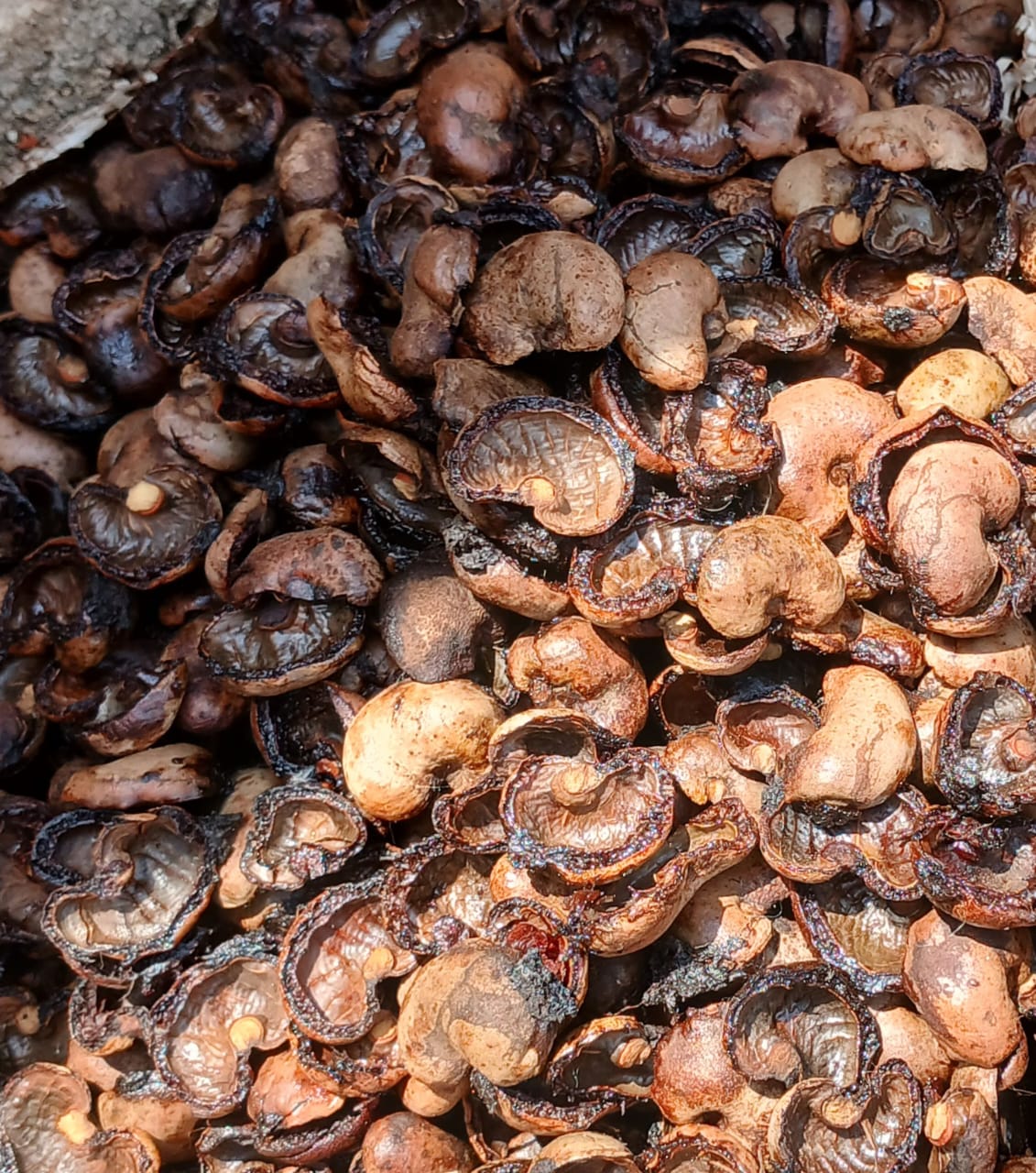
Cashew nut shells — source of CNSL for friction material manufacturing

What Elrisa Supplies for Friction Applications

We supply CNSL in different product forms depending on your formulation needs and processing setup.

Raw Material

Technical-Grade CNSL

The base oil extracted from cashew shells. High in anacardic acid and cardanol. Used as the starting material for friction dust production — polymerising the CNSL at elevated temperature gives the solid friction particle used in NAO brake formulations.

ColourDark amber
ViscosityContact for grade
Anacardic acid content~60–65%
Refined

Cardanol

The primary refined derivative of CNSL. Cardanol is the direct starting material for synthesis of CNSL-formaldehyde novolac resins used as binders in brake pads and abrasive products. Also used as a reactive diluent in epoxy coating systems.

PurityContact for specification
Phenolic hydroxyl valueAvailable on request
Flash point> 200°C
Formulated

CNSL Novolac Resin

Acid-catalysed condensation product of cardanol and formaldehyde. A thermoplastic phenolic resin requiring a curing agent (hexamine) to crosslink. Used as the primary binder resin in friction pads, providing thermal resistance, dimensional stability, and adhesion to friction fillers.

Resin typeNovolac (thermoplastic)
Cure systemHexamine crosslinker
ApplicationBrake pads, abrasives

Why Friction Manufacturers Are Moving Toward Bio-Based Binders

Regulatory Pressure on Phenol

Petrochemical phenol is subject to REACH restrictions in the EU and occupational exposure limits in most industrial markets. Friction material manufacturers using phenol in resin synthesis face increasing reporting and substitution pressure. CNSL-derived resins, being phenol-free by origin, offer a documented substitution pathway.

OEM Sustainability Requirements

Major automotive OEMs in Europe and North America are implementing supply chain sustainability requirements, including minimum bio-based content in purchased components. Brake pad manufacturers supplying these OEMs increasingly need documented bio-based inputs — CNSL qualifies directly.

Copper Replacement Context

The North American phaseout of copper in brake pads (SB 346 in California, Washington state legislation) has pushed friction formulators to re-examine their entire formulation. During this reformulation process, many are also reviewing binder systems — making it an ideal entry point for bio-based CNSL binders alongside NAO reformulation work.

Proven Track Record

Unlike many bio-based materials that are still in development for friction applications, CNSL has decades of established use in friction dust and novolac binders. There is extensive published literature on CNSL friction performance — buyers are not adopting an experimental material, but a well-characterised one with a long industrial history.

Where We Ship

We export technical CNSL and CNSL-derived friction material ingredients from Ghana to buyers worldwide. Buyers from these regions already source from us or have enquired.

🇪🇺
Europe
Germany, UK, Italy, France
🇺🇸
North America
USA, Canada
🌏
Asia
India, South Korea, Japan
🌍
West Africa
Ghana, Côte d'Ivoire, Benin

Frequently Asked Questions

What is CNSL used for in friction materials?
CNSL is used as both friction dust (polymerised CNSL particles) and as the feedstock for novolac binder resins. Friction dust adds lubricity and modifies the friction coefficient; the novolac resin holds the pad together under heat. Both roles have been established in the friction industry for over 50 years.
What is the difference between technical CNSL and CNSL resin?
Technical-grade CNSL is the raw oil extracted from the cashew shell — it contains anacardic acid, cardanol, cardol, and 2-methylcardol. CNSL resin (novolac) is a processed product made by reacting cardanol (the primary CNSL derivative) with formaldehyde under acid catalysis. The resin form is what most brake pad manufacturers specify as a binder; the raw oil is the starting point for friction dust production.
Is CNSL friction material biodegradable?
CNSL-derived components are bio-based (from renewable cashew shells), which reduces the fossil carbon content of friction materials. However, crosslinked thermoset resins are not readily biodegradable. The environmental benefit is primarily in the bio-based feedstock origin — reducing reliance on petrochemical phenol and benzene-derived raw materials.
Can I get a sample or technical data sheet?
Yes. Contact us with your specific application details — the type of friction material, your current formulation approach, and the specification parameters you need to match. We will respond with product information, available grades, and pricing details for your enquiry.

Ready to Source CNSL for Friction Applications?

Tell us your grade requirements, volume needs, and destination. We will respond with specifications and export pricing within a few business days.